Seasonal fragrance: Choosing scents for warmer and cooler days
Adapt your choices to the day and your preferences without buying a fragrance for every season.
By Pearley · Founder of Scentamy · 5 min read
Use the season as a prompt to consider what you enjoy, not a rule about what you must wear. On some warmer days you may prefer a fresher smell; on cooler days you may enjoy more sweetness or woodiness. Either preference can change. Begin with the products you own and choose for the actual setting before buying something labelled seasonal.
The key steps
- Treat seasonal labels as suggestions. They do not establish what you will enjoy.
- Choose for the setting. A shared indoor room differs from an outdoor occasion.
- Start with what you own. Keep a favourite if you still enjoy it.
- Keep home choices separate from wearable choices. Choose an activity and appropriate format.
- Buy for a difference you want to return to. A seasonal name alone is not a useful reason.
Do certain notes belong to certain seasons?
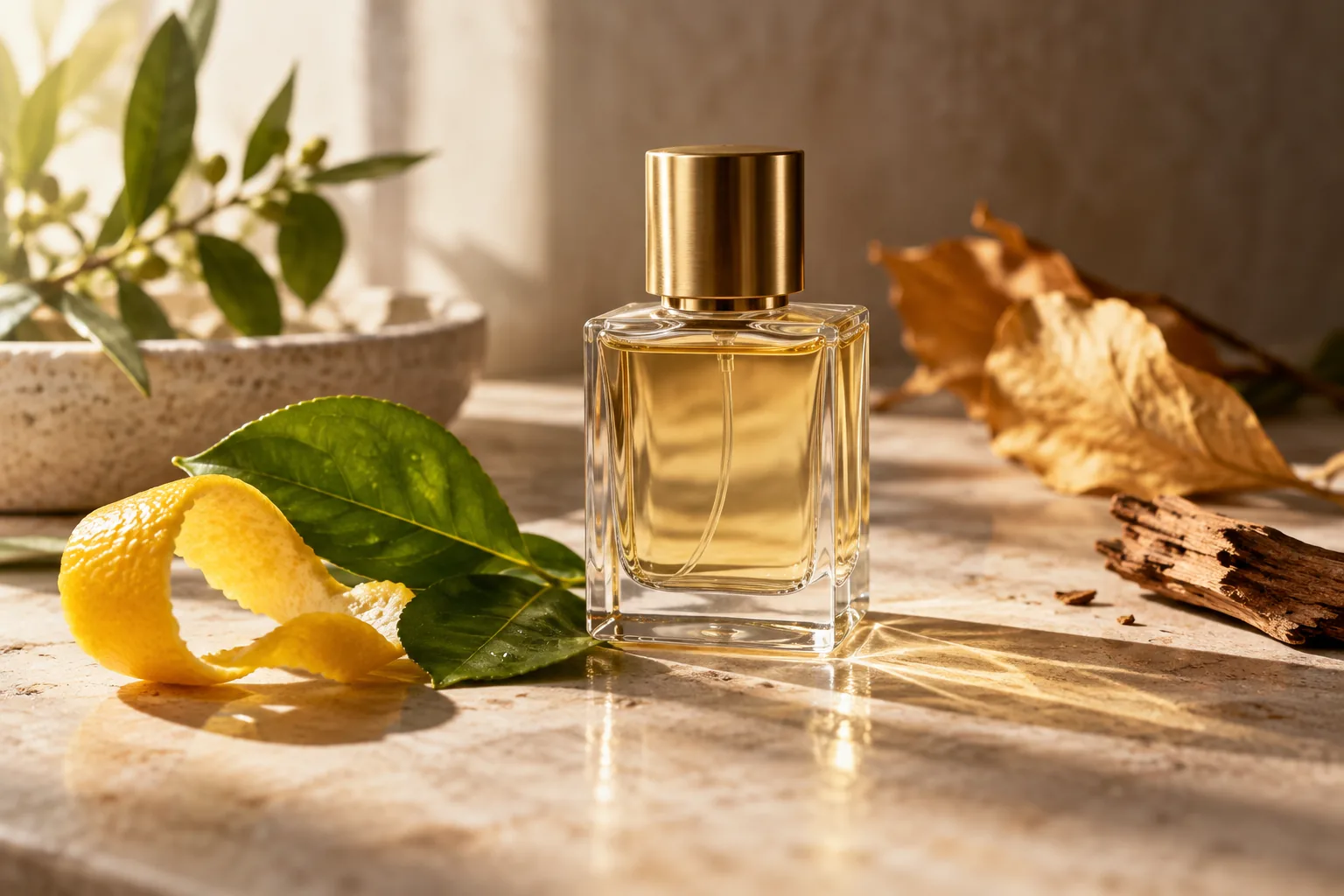
Citrus for summer and warm woods for winter are common ways to describe a mood. They can help you explore, but they are not requirements. You can enjoy a floral or vanilla fragrance at another time of year.
Ask which qualities appeal today rather than whether the calendar permits a note.
What should I consider about the actual day?
Think about where you will spend time and who is nearby. A cooler day outdoors followed by hours in a shared indoor room is not one simple “winter” setting.
Consider how comfortable the fragrance feels when used as directed. Do not add more because a seasonal description suggests it should be bold.
Ask whether you want a new smell or simply a different occasion for an existing favourite. You may enjoy a sweet fragrance on an evening out while choosing another already-owned product for daytime. That does not require a new purchase.
Avoid making weather an excuse for a prescribed application amount. The individual product directions still apply, and the comfort of people in the setting matters throughout the year.
Can I use my current fragrance year-round?
Yes, if it suits your preferences and the situations where you use it. There is no need to replace a fragrance each season.
If it feels sweeter than you want on certain days, first decide whether you want a different smell at all. Then sample an alternative for that specific difference.
Does seasonal home fragrance need a separate purchase?
You might enjoy a sweeter candle on an occasional evening but prefer a fresher wearable fragrance. Do not assume one seasonal preference applies to both.
For candles, safe use and supervised time remain the same considerations whatever the season. For linen spray, the permitted fabric uses do not change because the scent feels seasonal.
When is a seasonal addition worthwhile?
A clear reason might be a less sweet wearable choice for days when your usual fragrance feels too rich to you. Compare samples and decide whether the difference matters enough to use regularly.
If the new product merely has seasonal packaging but gives you much the same experience, keeping the existing favourite may be the more useful decision.
How can I compare a seasonal option with my usual fragrance?
Name the intended difference before sampling. “Less sweetness for some ordinary days” is a clearer question than “something summery.” Compare candidates for that quality and return to the later impression before choosing.
If a fresh opening gives way to a smell you dislike, its seasonal description does not make it the right option. Likewise, a warm-sounding scent may be pleasant on a day when you expected to want citrus.
Write a use sentence after the comparison: “I would choose this when I want a leafy floral rather than my sweeter favourite.” That sentence tells you whether the difference is useful enough to keep.
How do I avoid building a collection around seasonal labels?
Look at the roles your current products already cover. You may have enough variety for different moods without buying for each season, month, or occasion. Note which products you actually reach for rather than counting gaps in an imagined collection.
When a seasonal release appeals, separate the scent interest from the packaging and limited-time framing. Check the same product details you would for any purchase: scent description, size, use directions, price, and terms.
There is nothing wrong with buying a fragrance for enjoyment, but give the decision a reason you understand. A scent you want to use beyond its advertised season can still be a worthwhile choice.
Example: a fresher option for some days
You wear a sweet fragrance throughout the year. On a few warmer days, you would prefer a leafy floral impression.
Sample for that difference rather than buying a complete summer collection. If the new fragrance appeals only because of its seasonal name, keep your favourite and revisit the decision later.
If the new leafy floral gives you no difference you would choose again, there is no missing seasonal category to fill. The comparison has saved you a purchase while making your preference clearer.
Let the day guide the choice without letting the season dictate your collection.
Choose for the season thoughtfully
- Name what you want to smell today.
- Consider the actual shared setting.
- Try your existing products first.
- Separate home and wearable preferences.
- Sample a new product for a specific difference.
Explore a different scent direction when you want one
Choose public scent qualities that appeal to you, then check the format and use directions.
Browse Scentamy