Scent wardrobe: Choosing fragrances for everyday wear and occasions
Decide whether you need a second fragrance and learn how to choose one that offers something different.
By Pearley · Founder of Scentamy · 6 min read
You do not need a different fragrance for every occasion. One fragrance you enjoy wearing regularly may be enough. A second becomes useful when you want a different experience—for example, something less sweet for daytime or a warmer scent for an evening out. Start by understanding what you enjoy about your current fragrance before choosing another.
The key steps
- Start with the fragrance you already wear. One favourite may cover both ordinary days and special occasions.
- Name a real reason for a second scent. Choose a difference you want, such as less sweetness or a woody smell.
- Consider the setting and the people around you. An evening occasion does not require a stronger fragrance.
- Try the candidate on its own. Notice whether it gives you the difference you wanted from your current favourite.
- Keep the fragrances you want to reach for. Add another only when you can explain why you would choose it.
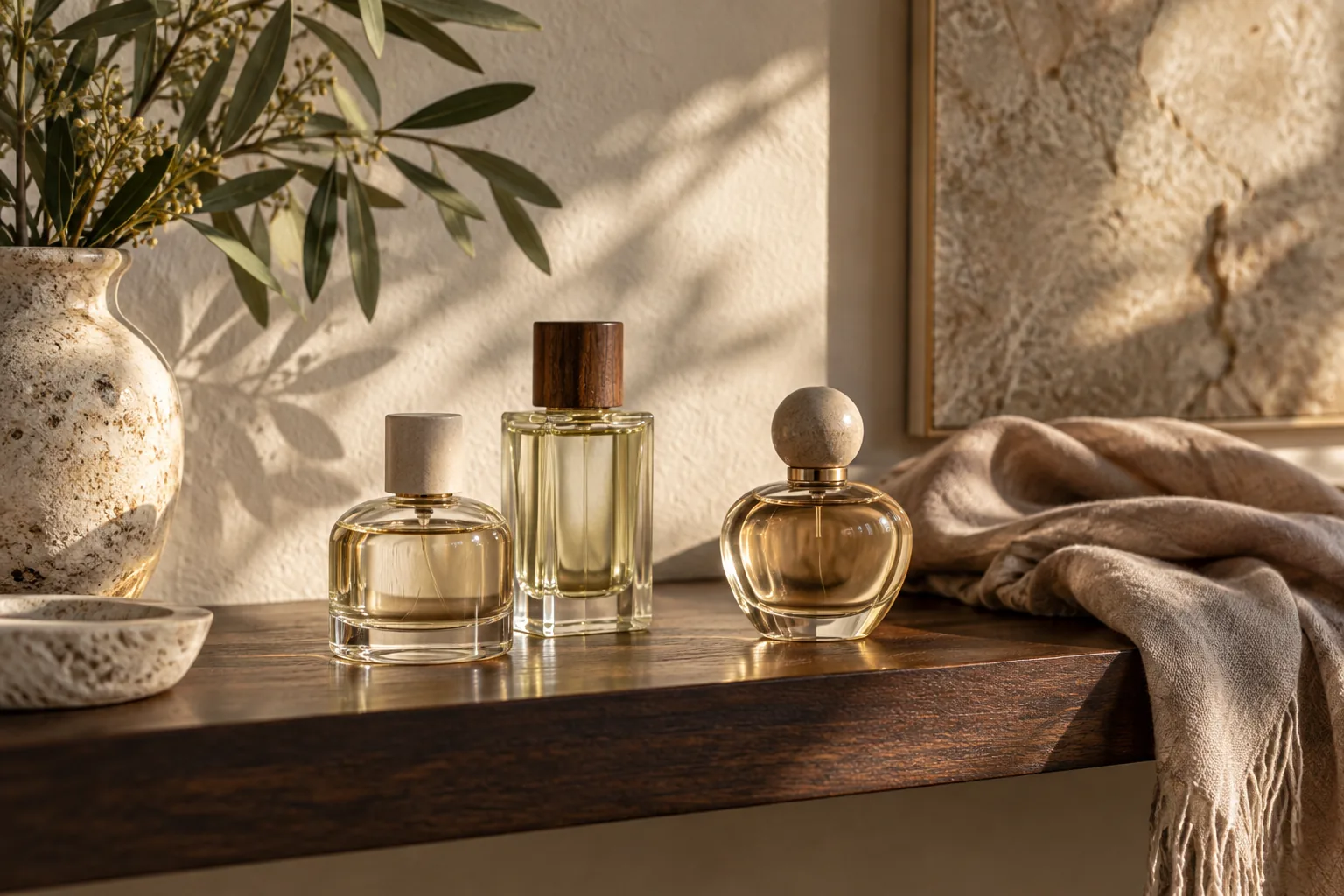
People sometimes call a collection of wearable fragrances a “scent wardrobe.” There is no required number to own. This guide is about choosing perfumes and body mists you will wear; candles and other home fragrances involve different decisions.
Can I wear the same fragrance every day?
Yes. If you like a fragrance and it suits the situations where you wear it, there is no need to rotate scents. You can enjoy variety, but variety is a preference rather than a requirement.
Think about an ordinary week. If you happily reach for the same bottle each morning, that is useful information. A new fragrance should give you something you want, rather than fill a category someone says your collection needs.
When would a second fragrance be useful?
A second fragrance makes sense when you can explain why you would choose it over your current one on a particular day. Perhaps your usual perfume feels sweeter than you want for daytime. Perhaps you enjoy it every day but would like a softer floral smell for an occasional evening.
Write the reason in plain language: “I want something less sweet” or “I want a woody scent because I enjoy the smell of dry wood.” If the only reason is that a bottle looks appealing, take time to sample before deciding whether you also want to wear it.
- What you want to change
- Less sweetness
- What to look for
- Descriptions such as dry woody, green, or citrus
- What to check when sampling
- Do you actually find it less sweet than your favourite?
- What you want to change
- More of a floral smell
- What to look for
- A floral description with the qualities you enjoy
- What to check when sampling
- Does it feel leafy, powdery, or sweet—and which do you prefer?
- What you want to change
- A different scent for occasional wear
- What to look for
- A fragrance that interests you, even outside your usual choices
- What to check when sampling
- Can you name an occasion when you would choose it?
| What you want to change | What to look for | What to check when sampling |
|---|---|---|
| Less sweetness | Descriptions such as dry woody, green, or citrus | Do you actually find it less sweet than your favourite? |
| More of a floral smell | A floral description with the qualities you enjoy | Does it feel leafy, powdery, or sweet—and which do you prefer? |
| A different scent for occasional wear | A fragrance that interests you, even outside your usual choices | Can you name an occasion when you would choose it? |
Does an evening fragrance have to be stronger?
No. “Evening fragrance” describes how someone chooses to use a scent; it does not mean you must wear more or choose the strongest option. A quiet dinner and a crowded event are different settings, and the people around you may have their own preferences.
Separate the smell from its strength. “Warm and woody” describes what it reminds you of. How noticeable the particular product is needs to be judged separately. Choose a scent you enjoy for the occasion, and follow its application directions rather than adding extra simply because it is evening.
For an office, shared transport, or a dinner close to other people, consider any fragrance preferences or rules in that setting. For an evening at home, choose for your own enjoyment and the people sharing the space. Neither situation requires a prescribed scent family.
How do I choose something different from what I own?
Describe the difference you want before sampling. If you want an alternative to a sweet floral, the useful question is whether you actually prefer the candidate’s smell on the days when you want less sweetness. Different names or packaging do not settle that question.
Evaluate the candidate on its own before adding it. My advice is to buy another wearable fragrance only when you can explain why you would reach for it instead of the existing favourite.
What if I own fragrances I rarely wear?
Ask why you leave each one untouched. If you dislike the sweetness, use that information when choosing again. If you like the scent but never have the occasion you bought it for, reconsider buying another fragrance for the same imagined event.
You may also discover that an “occasion” fragrance works perfectly well on an ordinary day. Labels do not have to decide when you enjoy it. Follow storage instructions and keep the product information readable while you decide which fragrances you want to keep using.
Example: an occasion label versus a real reason to add a fragrance
You already wear a perfume you enjoy. You are considering a second for dinners out, but your current fragrance also feels right at dinner. Unless you want another smell, the occasion alone gives you no practical reason to buy a second bottle.
Now suppose you enjoy your usual perfume but want a less sweet option on some days. That is a different decision. Compare a candidate with the everyday favourite and notice whether it delivers the difference you wanted when worn.
Choose the candidate if you enjoy that difference enough to reach for it. Keep the original as your only fragrance if the alternative merely seems new. You have made the collection more useful either way.
A second fragrance is useful when you know why you would choose it instead of your first.
Before adding another wearable fragrance
- Name what you enjoy about your current fragrance.
- Identify the difference you want from a new one.
- Sample it on its own according to its directions.
- Notice both the first smell and how it smells later.
- Choose it only if you can picture yourself wanting to wear it.
Explore body mists for everyday wear
If you want another wearable option, compare body mist descriptions with the qualities you already enjoy. Look for the difference you want, then check the individual product’s application directions.
Browse Scentamy